ÖYKÜLERİN ÖYKÜSÜ
8 Ekim 2026
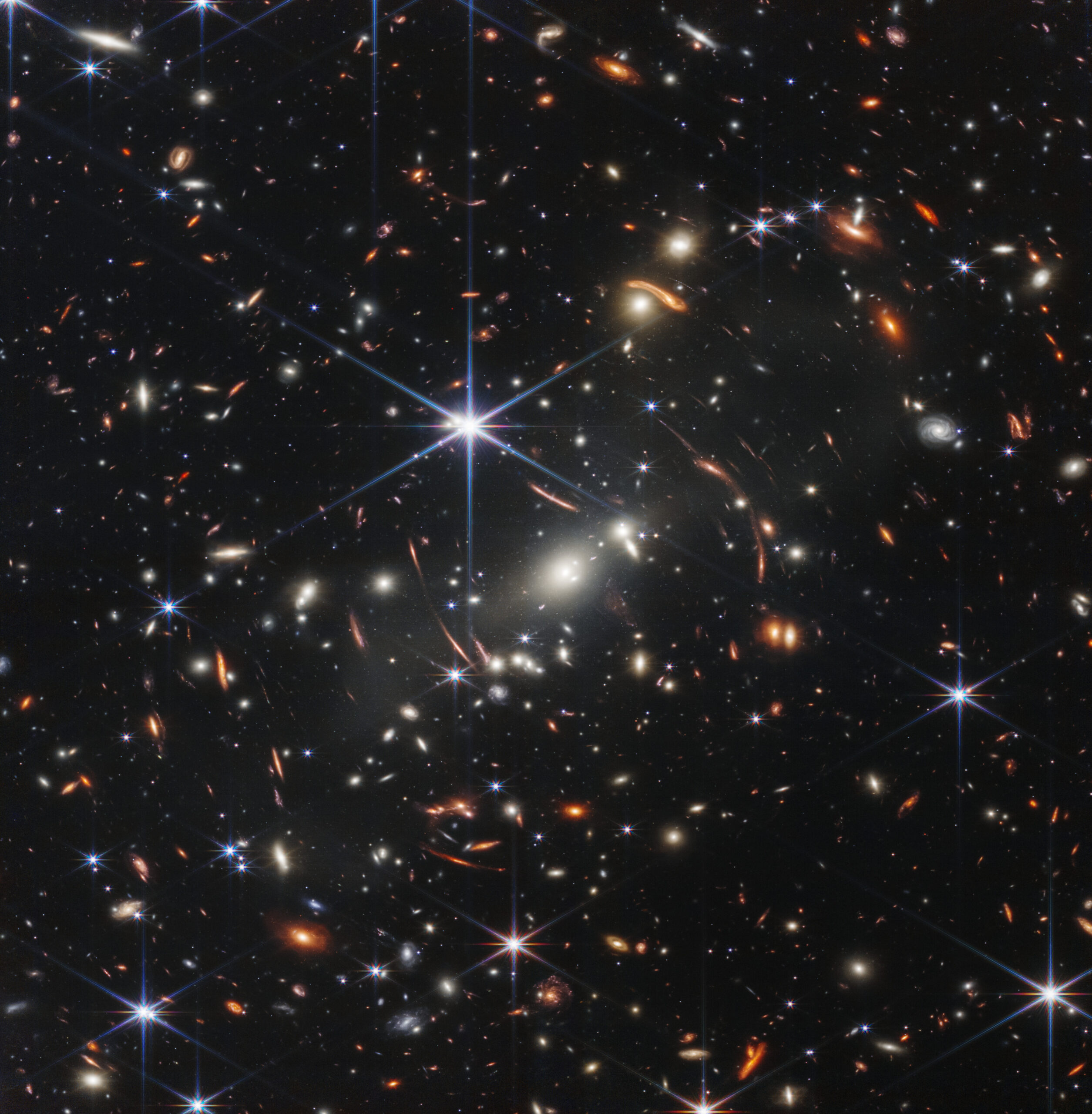
Henüz bu konular yazılıp çizilmemişken, evrene merak sardım. O zamanlarda ne Hubble vardı ne James Webb ne de diğerleri. Tabii henüz Büyük Patlamayı gözlemlemeye de çok zaman vardı, derin uzayı keşfetmeye de. Evrenin yapısını öğrenip, gezegenimizdeki canlılarda ve biz insanlarda aynı maddelerin olduğunu öğrenmemize de. Aslında çok da uzun bir zamandan söz etmiyorum. Belki bir ömre sığdı bu gelişmeler. Ama en başa dönecek olursak, ilk insanın karanlık gecelerde yıldızlara bakıp düşünmeye başlaması bizleri bu aşamaya getirdi diyebiliriz. İlk uygar topluluklar yıldızların hareketlerini izliyorlardı, takım yıldızları keşfetmişlerdi. O zaman daha teleskop bile yoktu. Uzun yolculuklara çıkanlar yıldızlara, güneşe, aya bakıp yönlerini buluyorlardı. Bizim gibi trafik tabelalarına bakarak değil.
İşte ben merak ettikçe öğrenmek istedim. Bir zamanlar çok iyi olan Bilim Teknik Dergisi vardı ve her ay bir gökyüzü haritası verirdi. Hiç kaçırmazdım. Tercüme de olsa makaleleri de içerek okurdum. Sonra oğlum Amerika’dan basit bir teleskop ve gök yüzünü anlatan haritaları, çizimleri olan kitaplar getirdi. Ve doğum günümde bana bugün hâlâ kullanabildiğim bir dürbün hediye etti. Henüz lisedeydi.
O kitaplar, o haritalar, o teleskop, o dürbün ufkumuzu nasıl açtı anlatamam. Hele takım yıldızları bulmak için kitabı veya haritayı nasıl tutup bakacağımı bilemediğimden, çözümü onları yere koyup etraflarında dönmekte bulduğum geceyi hiç unutamam. Bir de baktığım çok parlak yıldızın Sirüs olduğunu anlayınca, gidip oğlumu uyandırıp ona da gösterdiğimde sevinçten birbirimize sarılıp zıpladığımız geceyi.
Bugün hâlâ evrene ait bilgileri sürekli izleriz. Tabii oğlum dil bildiği için daha çok ve çabuk öğreniyor ama benimle de paylaşmayı hiç unutmaz.
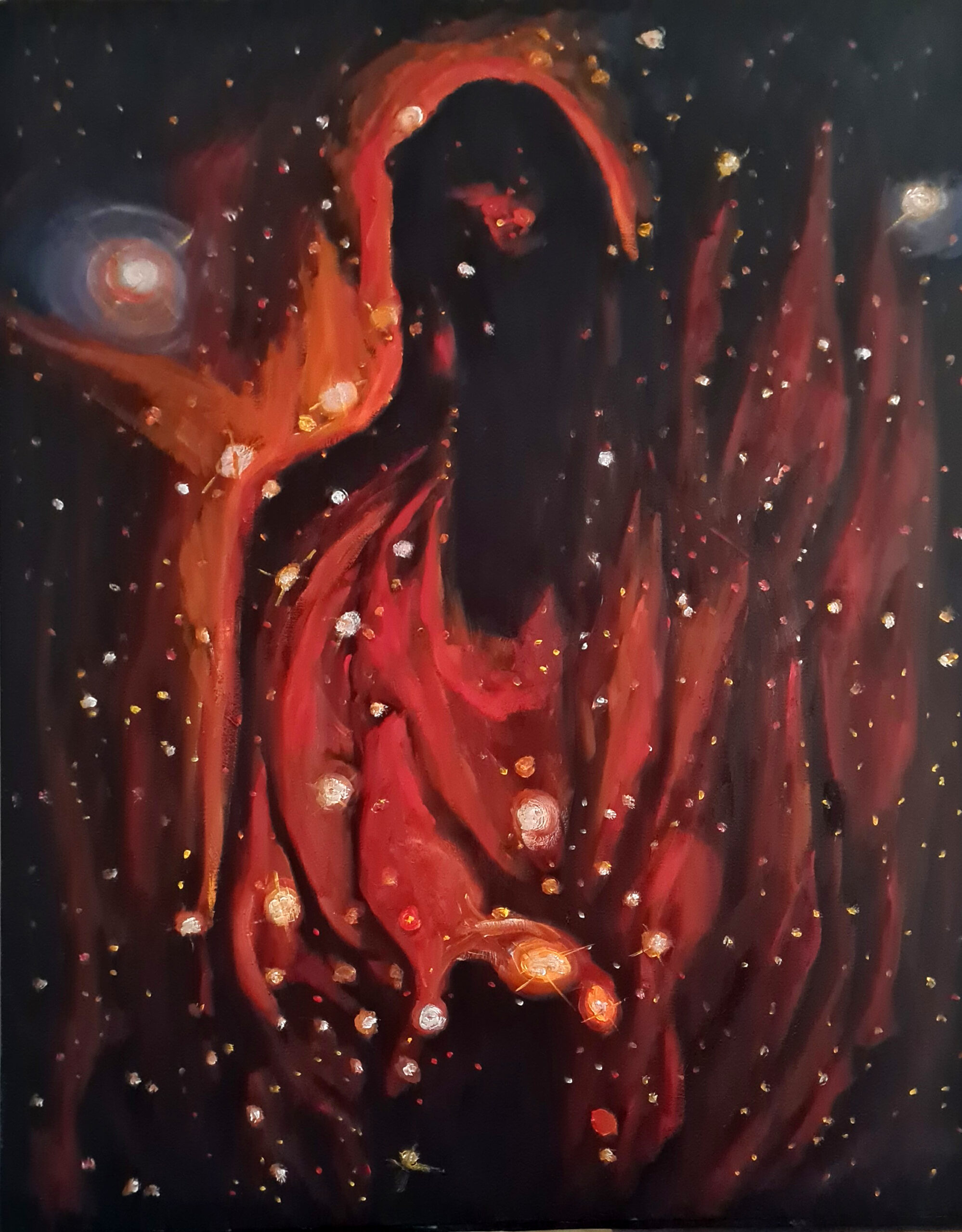
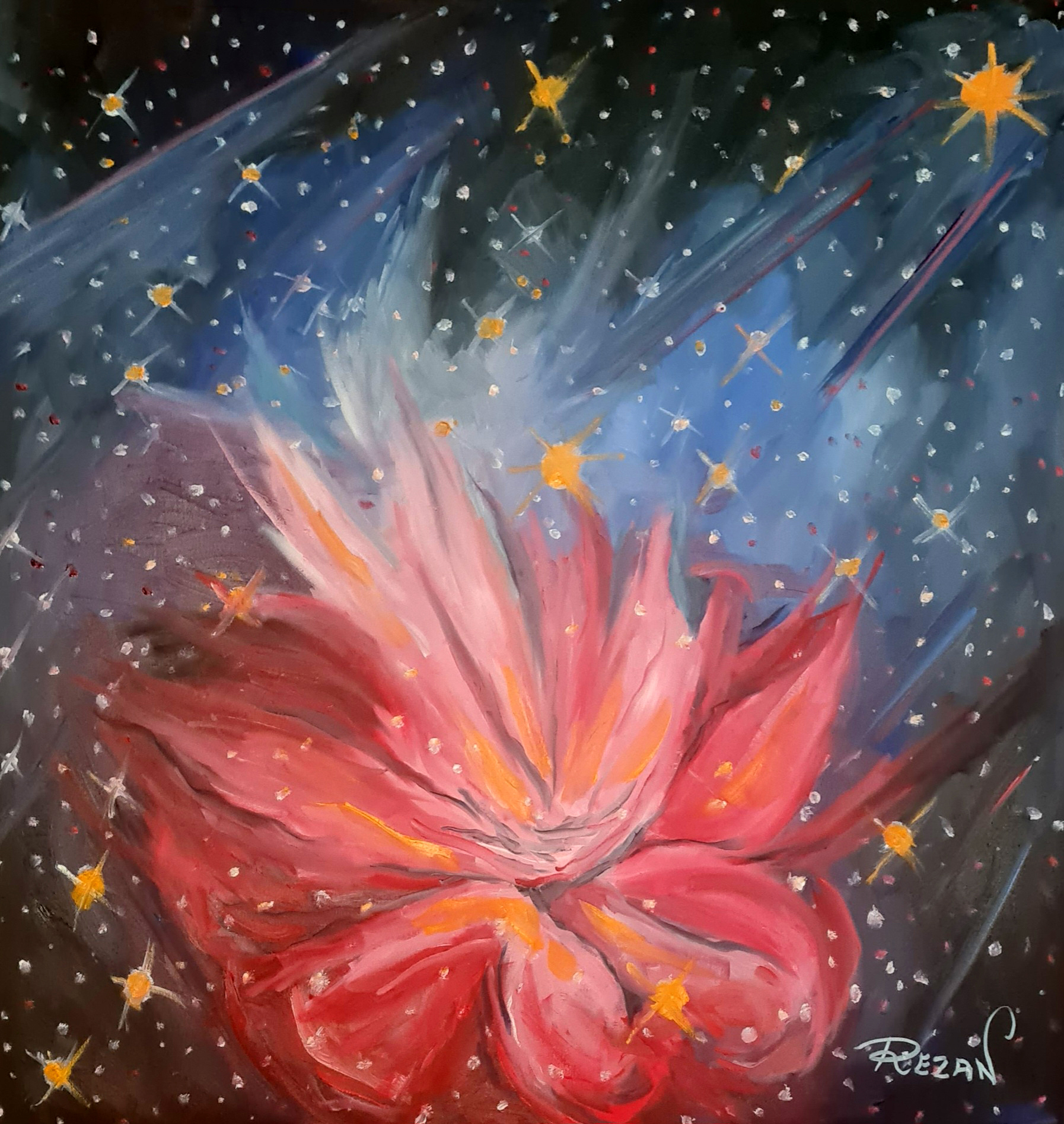
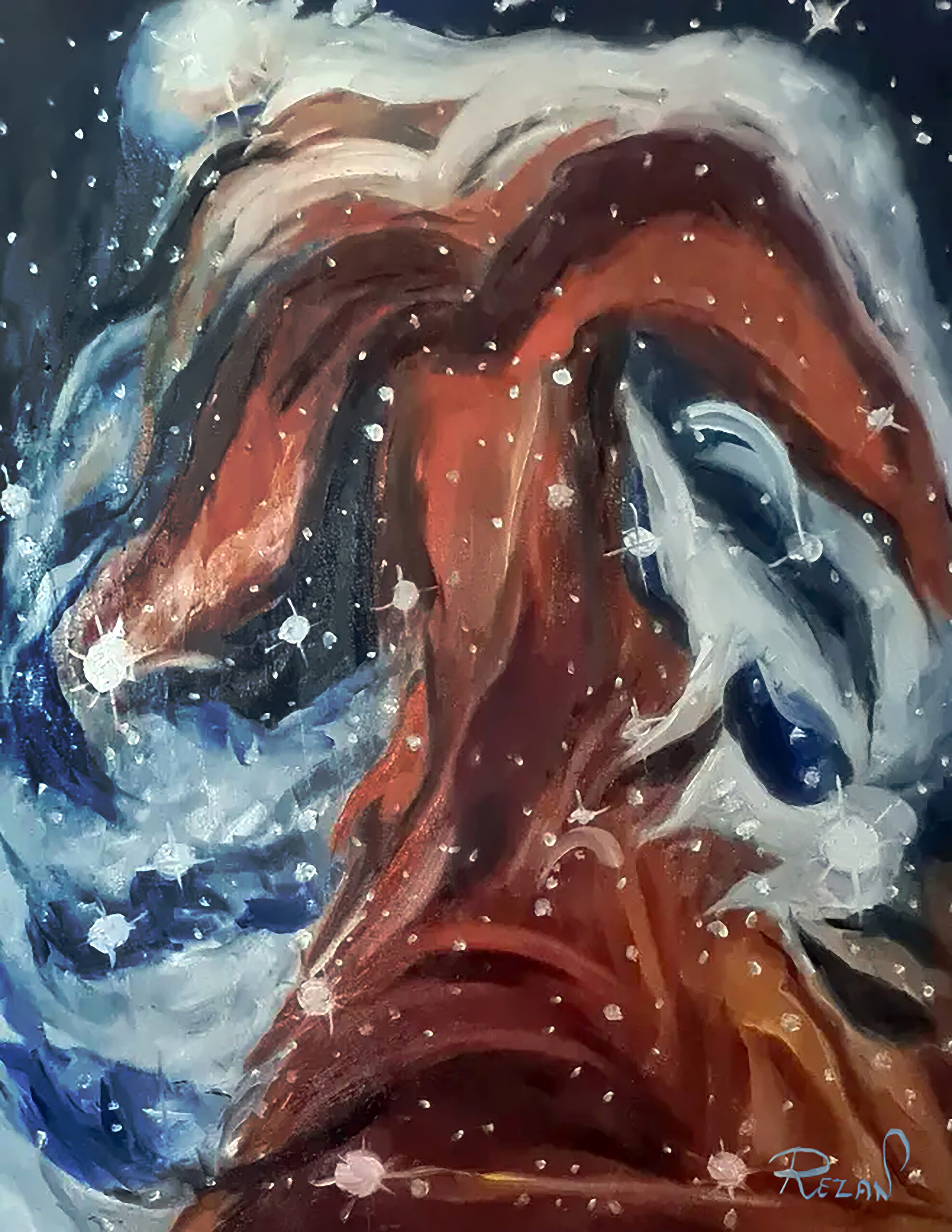
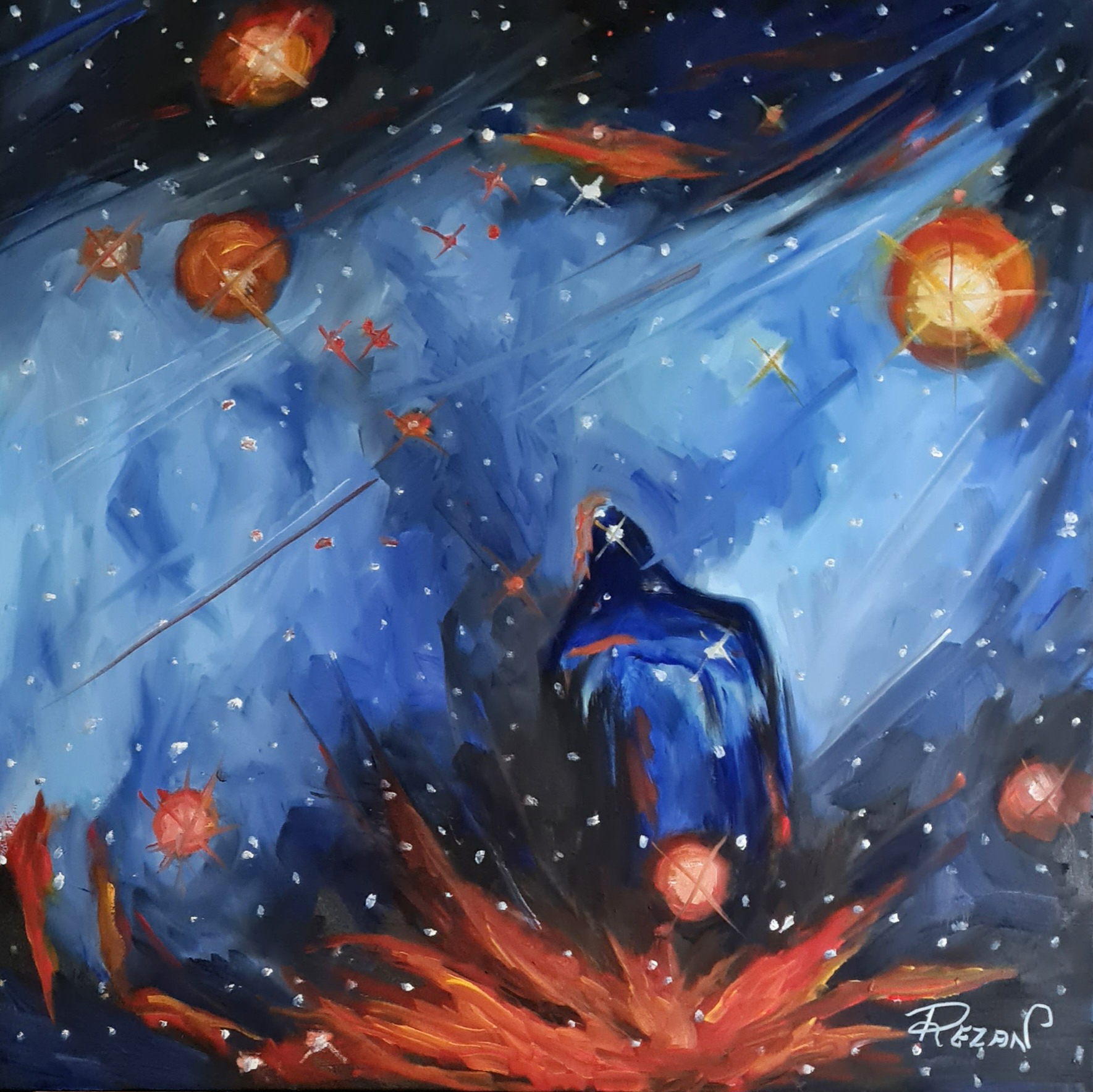
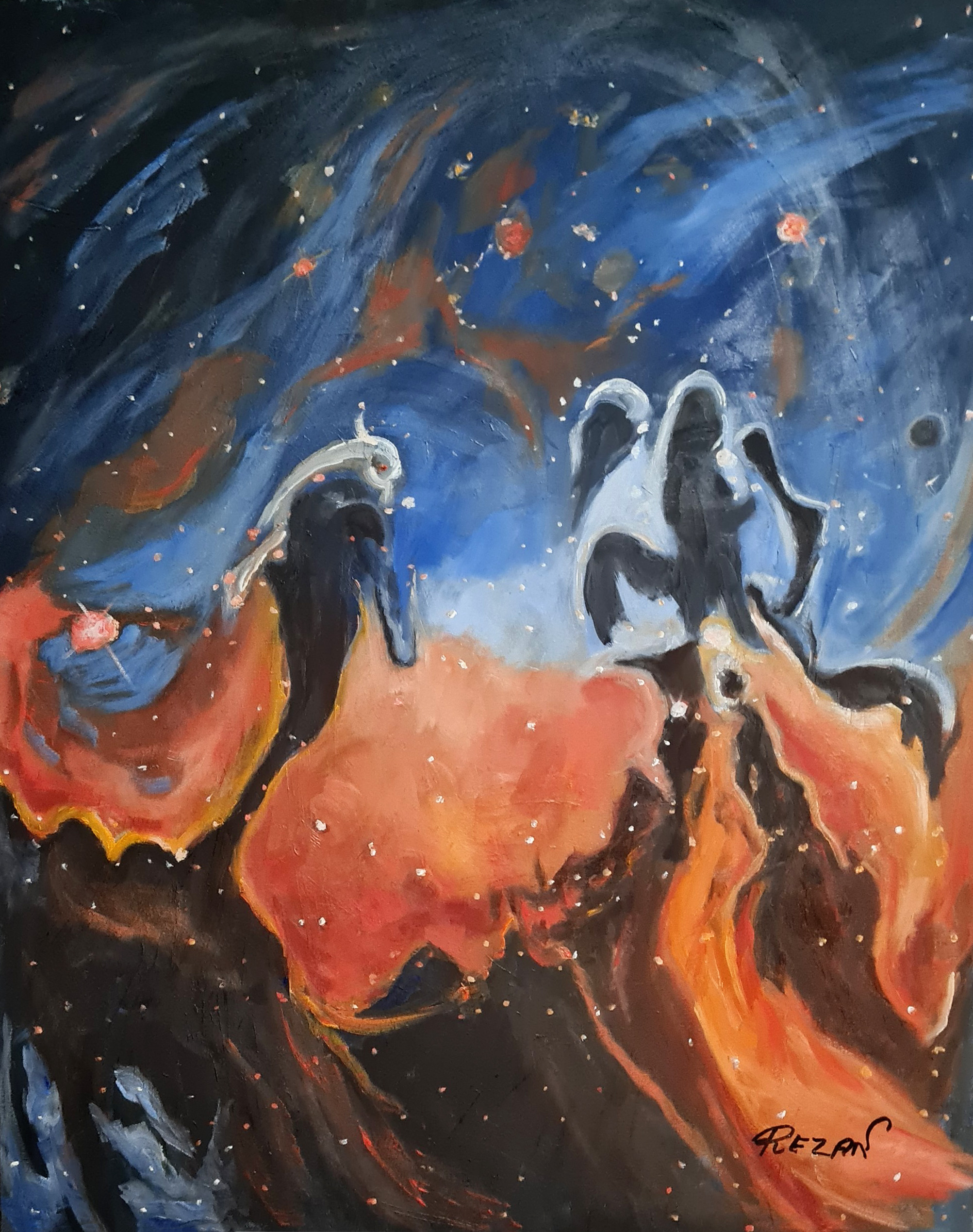
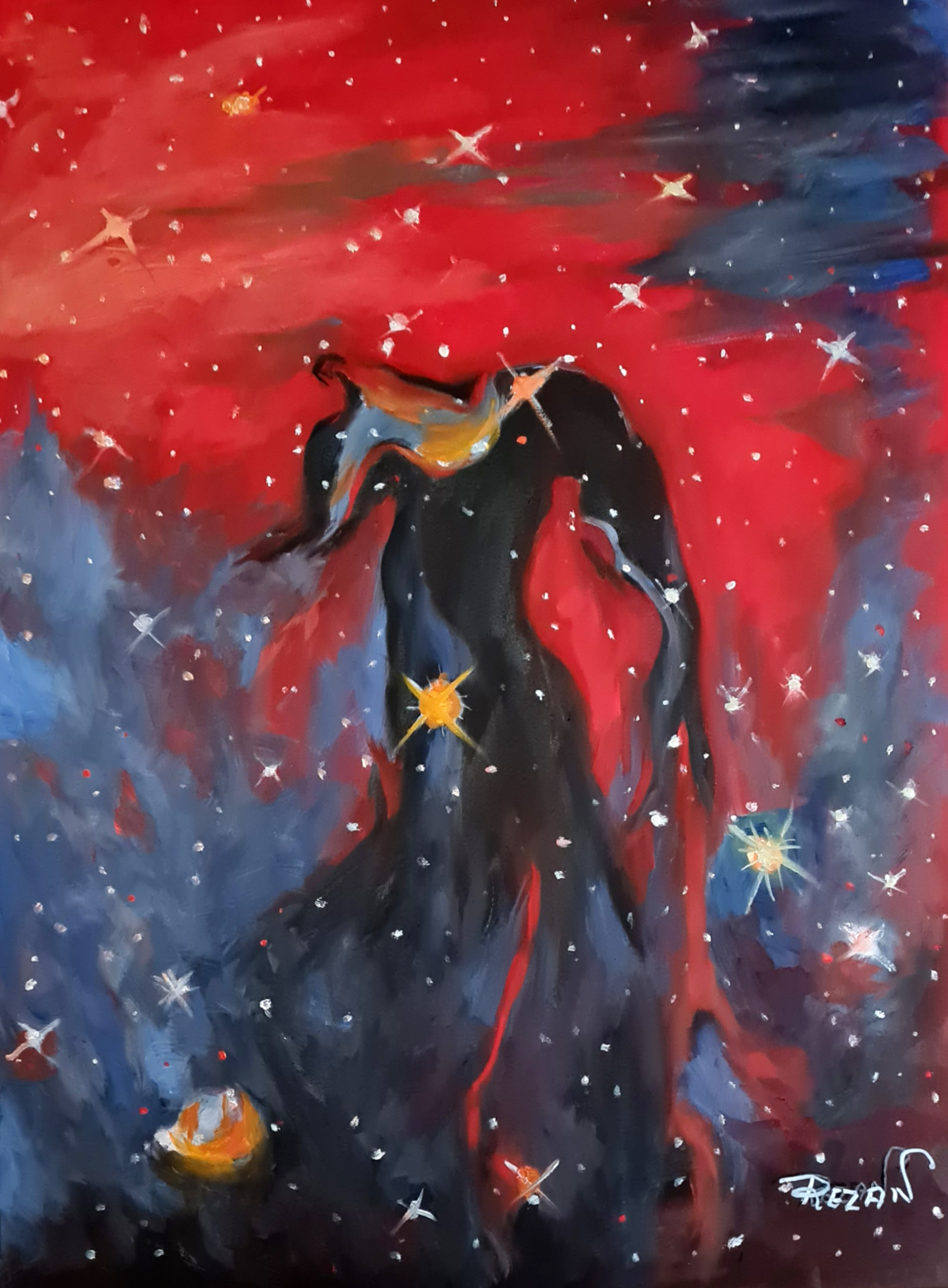
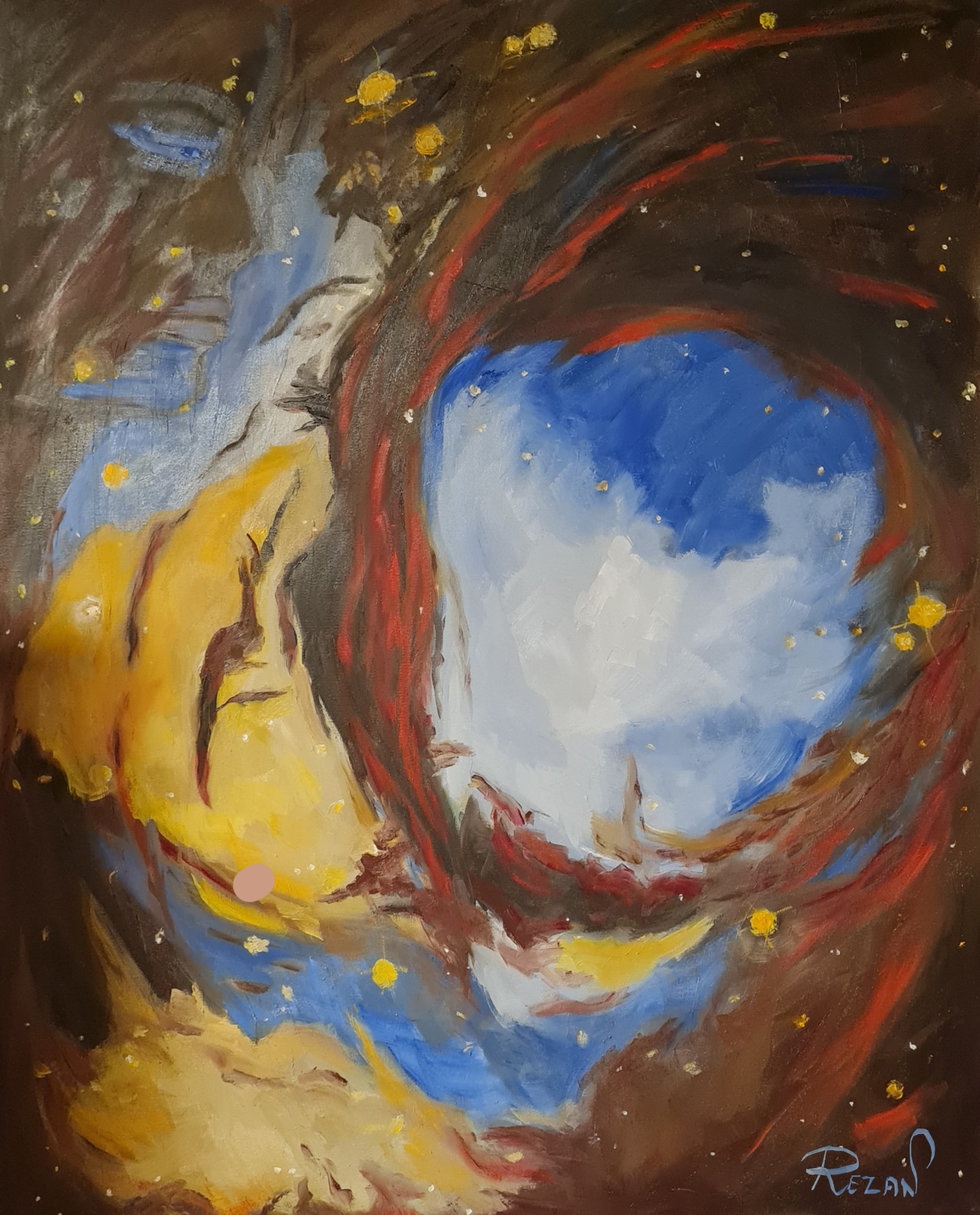
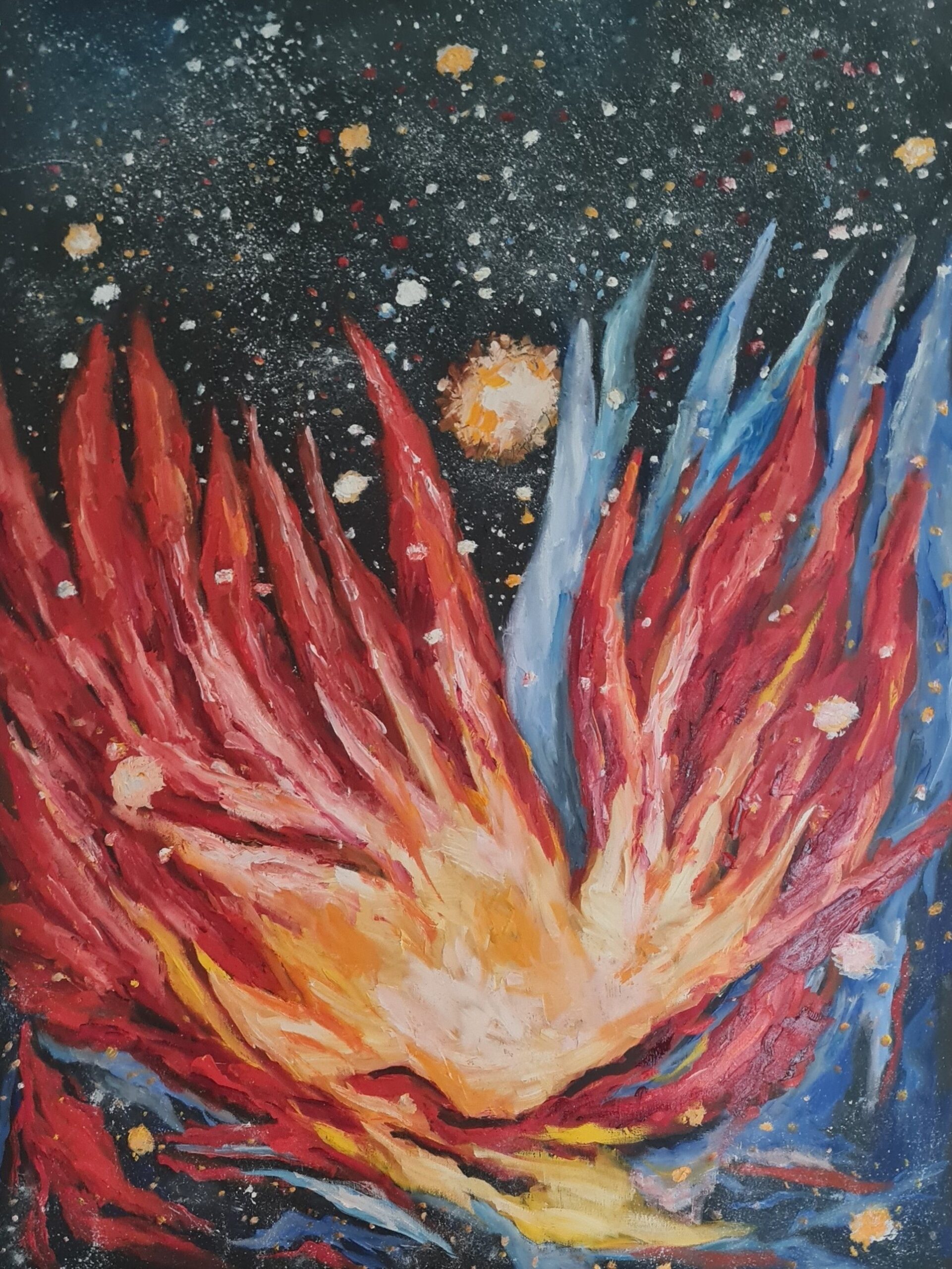
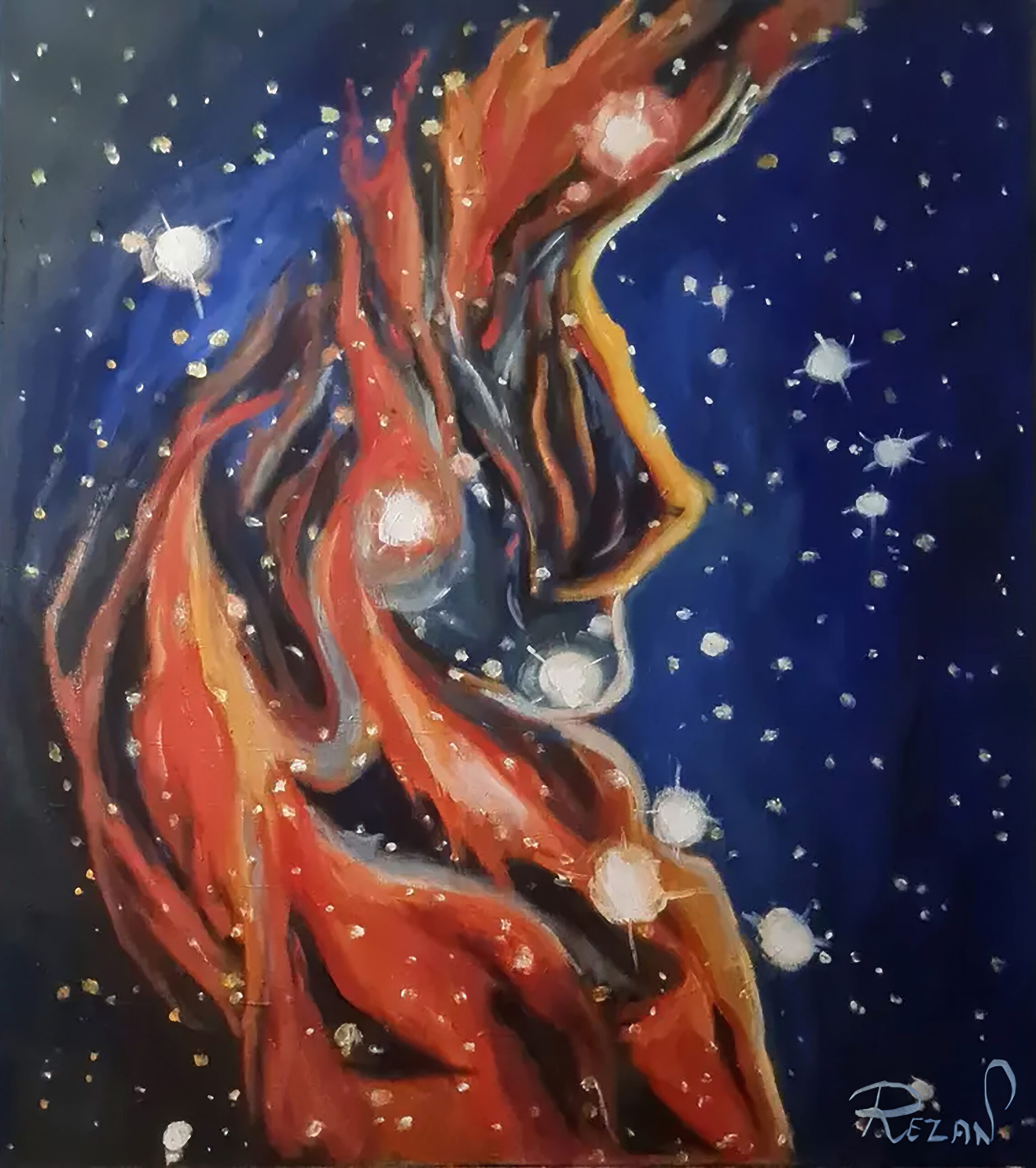
Hukuk kariyerimi bırakıp resim yapmaya, resimle yaşamaya karar verince, tabii öncelikle resim yapmayı öğrenmem gerekti. Ama bir ara bir de baktım COSMOS resimleri yapıyorum. Bir sergime UFKUN ÖTESİ ismini vermiştim.
Sonra portrelere, atlara, kedilere, çizilip boyanabilecek, ustalık isteyen işlere merak sardım. Döndüm dolaştım yine COSMOS’ta buldum kendimi.
Uzun seneler boyunca yaz akşamları gök yüzünü izlerken, takım yıldızları arayıp bulurken hep şöyle bir düşünce gelirdi aklıma; “Oradan da birisi bakıyorsa göz göze gelir miyiz acaba?” Bu düşünce beni heyecanlandırırdı.
Ama artık biliyoruz ki, COSMOS’ta bizim gibi canlılar evet olabilir, ama COSMOS bizim aklımızın alamayacağı kadar büyük ve yapımızla ve teknolojimizle bugün için asla başka bir gezegene ulaşma şansımız yok hele de evren durmadan genişlediği için, öyle bir an gelecek ki deniyor, belki de hiçbir Galaksinin ışığını bile görmemiz mümkün olmayacak. Bugün bile ışıkları bize milyarlarca yılda geliyor. Onları gördüğümüz zaman aslında belki çoktan yok oldular. Ya bir kara delik yuttu ya süpernova oldular ya da öldüler ve yeni yıldızlara malzeme oldular.
Ben hayal edemeyeceğimiz büyüklükteki bu yapıdaki belki tek gerçekliğin sürekli devinim olduğuna inanıyorum. Doğum, yaşam, ölüm ya da şekil değiştirme. Bu sonsuz hareket içinde ressam aslında sadece anları yakalayabilir. Bir duruş, bir bakış, bir an… Sadece bir ânın resmini yapabiliriz. Galaksiler ve nebulaların da öyle, bize ulaşan bir ışık bizi heyecanlandırır, hayal gücümüzü tetikler.
3 yıldan fazla zamandır COSMOS resimleri yapıyorum. Sürekli büyük teleskoplarımızın yayınladığı galaksi ve nebulaların fotoğraflarını inceliyorum. Yapılarını okuyorum. Aklım bilimde, ama hayal gücümü serbest bırakıyorum ve adeta o görüntüleri kendim yaşayarak yorumluyorum. Tabii bir de hepsine bir isim koyup bir de hikâye yazıyorum. Öyle bir kaynak ki neredeyse sonsuz denilebilir.
Ve bir de insanın evrendeki yerini aradığını düşünüyorum. Biz neyiz, neredeyiz, bu koskoca evrende yalnız mıyız, bize benzeyen canlılar var mıdır, onları görsek tanır mıyız, onlar bizi tanır mı, birbirimizi tanıdığımızı varsaysak nasıl anlaşırız vs.
Ve son olarak ben COSMOS’un bir parçası olduğum, bu harikulade yaşama kısa bir süreliğine de olsa doğduğum, katıldığım ve bu bilince sahip olduğum için kendimi çok şanslı buluyorum. Ve bin yıl sonra insanın COSMOS hakkında öğreneceklerini deli gibi merak ediyor, ölümlü olduğuma bu nedenle isyan ediyorum. Hatta Andromeda Galaksisinin Milky Way ile çarpışmasının bile nasıl olacağını merak ediyorum.
Cosmos resimlerime isim bulup hikâyeler yazarken, neden bunu kısa hikâyeler olarak kaydetmiyorum diye düşündüm. İşte ÖYKÜLERİN ÖYKÜSÜ. Eğer zaman bulup bu işe devam edebilirsem belki bastırırım, kim bilir belki de ilk olur. Yağlıboya COSMOS resimleri ve Uzay Felsefesiyle birlikte öyküleri.
Long before these subjects became the focus of so much writing and discussion, I had already fallen under the spell of the universe.
In those days, there was no Hubble, no James Webb, none of the extraordinary instruments we have today. The possibility of observing the echoes of the Big Bang still lay far in the future, as did the exploration of deep space and the discoveries that would reveal the nature of the universe—and that the very elements from which the stars are made are also found in the living creatures of our planet, including ourselves.
Yet I am not speaking of some unimaginably distant past. All these remarkable advances have unfolded within what may be no more than a single human lifetime.
But if we return to the very beginning, perhaps we could say that everything started when the first human being looked up at the stars on a dark night and began to wonder.
The earliest civilizations studied the movements of the stars and recognized the constellations, long before the invention of the telescope. Travelers setting out on distant journeys found their way by the stars, the sun, and the moon—not by following road signs, as we do today.
And so, the more curious I became, the more I wanted to know.
There was once an excellent magazine called Bilim ve Teknik (Science and Technology), which published a map of the night sky every month. I never missed an issue. I devoured its articles, even those translated from other languages, eager to absorb everything I could.
Then, one day, my son brought me a simple telescope from America, along with books filled with star charts, illustrations, and explanations of the heavens. For my birthday, he gave me a pair of binoculars that I can still use today. He was only in high school then.
I cannot begin to describe how those books, those maps, that telescope, and those binoculars expanded our horizons.
I will never forget one particular night when, unable to figure out how to hold a star chart or orient a book to locate the constellations, I finally laid them on the ground and walked around them until the heavens began to make sense.
Nor will I ever forget the night I realized that the extraordinarily bright star I had been gazing at was Sirius. I rushed inside, woke my son, and brought him out to see it. We were so overwhelmed with excitement that we embraced each other and jumped for joy.
Even today, we continue to follow discoveries about the universe with undiminished fascination. Of course, because my son speaks other languages, he has access to more information and learns about new developments sooner than I do. But he never forgets to share what he discovers with me.
When I decided to leave my career in law behind and devote my life to painting—to live through art and for art—I first had to learn how to paint.
And then, almost without realizing it, I found myself painting the COSMOS.
I even titled one of my exhibitions BEYOND THE HORIZON.
Later, my interests wandered toward portraits, horses, cats, and all manner of subjects that demanded the discipline and mastery of drawing and painting.
Yet after all my wanderings, after exploring so many different paths, I found myself right back where I had begun: in the COSMOS.
For many years, as I watched the summer skies and searched for familiar constellations, a particular thought would return to me again and again:
“What if someone, somewhere out there, is looking back? Could our eyes somehow meet across the universe?”
The very possibility filled me with excitement.
Today, of course, we know a little more.
We know that life resembling our own may indeed exist elsewhere in the COSMOS. But we also know that the universe is so unimaginably vast that, with our present physical limitations and technology, reaching another inhabited world may be forever beyond our grasp.
And because the universe continues to expand, scientists tell us that a time may come when the light of other galaxies will no longer reach us at all.
Even now, the light we see from distant galaxies has often traveled billions of years to reach our eyes.
By the time we behold them, the stars we are seeing may have long since ceased to exist. Some may have been swallowed by black holes. Others may have exploded as supernovae. Still others may have quietly exhausted their lives, leaving behind the elements from which new stars will eventually be born.
I have come to believe that perhaps the one enduring truth in this incomprehensibly immense existence is constant transformation.
Birth. Life. Death. Rebirth. A change of form.
An eternal movement, without beginning or end that we can truly comprehend.
And within this endless motion, what can an artist really do but capture a moment?
A posture. A glance. A fleeting expression.
One single instant, suspended in time.
That is all we can ever paint.
The same is true of galaxies and nebulae. A ray of light that has journeyed across unimaginable distances finally reaches us, stirs something deep within us, and sets our imagination alight.
For more than three years now, I have been painting the COSMOS.
I spend countless hours studying the extraordinary images of galaxies and nebulae released by our great space telescopes. I read about their structures, their origins, and their nature.
My mind remains rooted in science, but I allow my imagination to roam freely.
I do not merely reproduce what I see. I enter those images in my imagination, experience them in my own way, and transform them into something deeply personal.
And then, of course, I give each painting a name.
And a story.
What an inexhaustible source of inspiration the universe is! One could almost call it infinite.
I also believe that humanity has always been searching for its place in the universe.
What are we?
Where are we?
Are we alone in this immeasurable COSMOS?
Are there other living beings who resemble us?
If we encountered them, would we even recognize them as living beings? Would they recognize us?
And if, somehow, we did recognize one another, how would we communicate?
How would two forms of intelligence, born under different suns and shaped by entirely different worlds, ever begin to understand each other?
The questions seem endless.
And perhaps that is part of the wonder.
Above all, I consider myself extraordinarily fortunate.
Fortunate to be a part of the COSMOS.
Fortunate to have been born into this magnificent existence, to have been granted even the briefest moment in its immeasurable history, and, most remarkably of all, to possess the consciousness to know that I am here.
Yet there is one thing against which I cannot help but rebel: my own mortality.
I am consumed by curiosity about what humanity will discover about the COSMOS a thousand years from now.
I want desperately to know what we will learn, what mysteries we will unravel, what extraordinary truths will emerge from the darkness.
I even long to witness what will happen when the Andromeda Galaxy and our own Milky Way finally collide.
To think that such wonders await, and that I will not be here to see them!
It is enough to make me protest the very limits of being human.
As I continued naming my COSMOS paintings and inventing stories to accompany them, a thought occurred to me:
Why not preserve these stories as a collection of short literary works?
And so, THE STORY OF STORIES was born.
If time allows, and if I can continue this journey, perhaps one day I will publish them.
Who knows? Perhaps it might even be something entirely new.
A collection bringing together oil paintings of the COSMOS, the stories they inspire, and reflections on the philosophy of space and existence.
Art, imagination, science, and the eternal human longing to understand the universe.
And perhaps, through them all, a small attempt to tell the greatest story of all:
The story of existence itself.